
The Hidden Influence of the Places We Live, Work, and Raise Our Families

We tend to think of personal growth as an internal process.
Mindset. Discipline. Habits. Motivation.
But what if one of the most powerful influences on our behavior isn’t inside us at all?
What if it’s the spaces around us?
In a recent episode of Motherhood Unstressed, I spoke with behavioral scientist Leidy Klotz about his fascinating new book, In a Good Place: How the Places Where We Live, Work, and Play Can Help Us Thrive. Our conversation explored something we rarely stop to consider: how profoundly our environments shape the way we think, behave, and connect with others.
From our homes to our workplaces to the public spaces in our communities, the places we inhabit are constantly influencing our mood, our habits, and even our relationships.
Most of the time, we just don’t notice it.
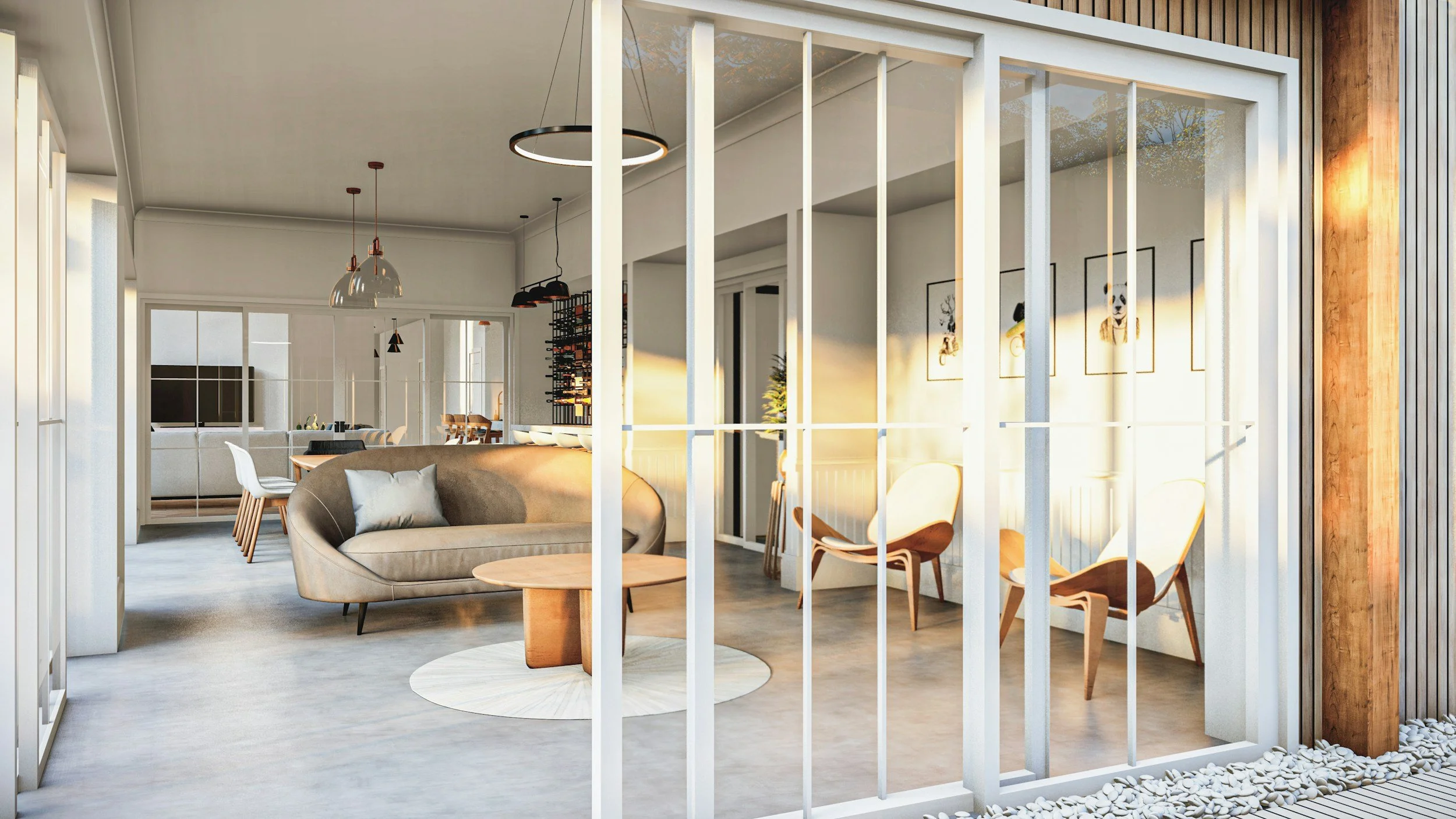
The Quiet Psychology of Place
Think about the places where you feel most like yourself.
Maybe it’s a cozy kitchen where conversations linger long after dinner. Maybe it’s a quiet walking trail where your thoughts seem to settle into clarity. Or maybe it’s a favorite coffee shop where ideas flow more easily.
Now think about the opposite.
The office that drains your energy.
The cluttered room that makes you feel anxious.
The sterile waiting room where time seems to move painfully slow.
None of these spaces are neutral. They are quietly shaping how we experience the moment.
Leidy’s research sits at the intersection of behavioral science and design, and it suggests that the environments we create—and inhabit—play a powerful role in shaping our daily lives.
And yet when we want to change something about our lives, we almost always focus inward.
We try to summon more willpower.
We attempt to overhaul our routines.
We push ourselves to be more disciplined.
What we rarely do is ask a much simpler question:
Is the environment around me helping or hindering the life I want to live?

Why Environment Matters for Families
This idea becomes especially meaningful when you’re raising children.
Our homes are more than just shelters. They are ecosystems where relationships unfold, creativity emerges, and habits take root.
A kitchen island might become the place where homework happens and stories are shared. A backyard might become the setting for imagination, adventure, and resilience. A quiet reading corner might quietly nurture a lifelong love of books.
Small environmental cues shape daily rhythms.
Where we place the family calendar.
Whether the television dominates the living room or conversation does.
Whether creativity has a space to live.
None of these choices need to be perfect. But they do matter.
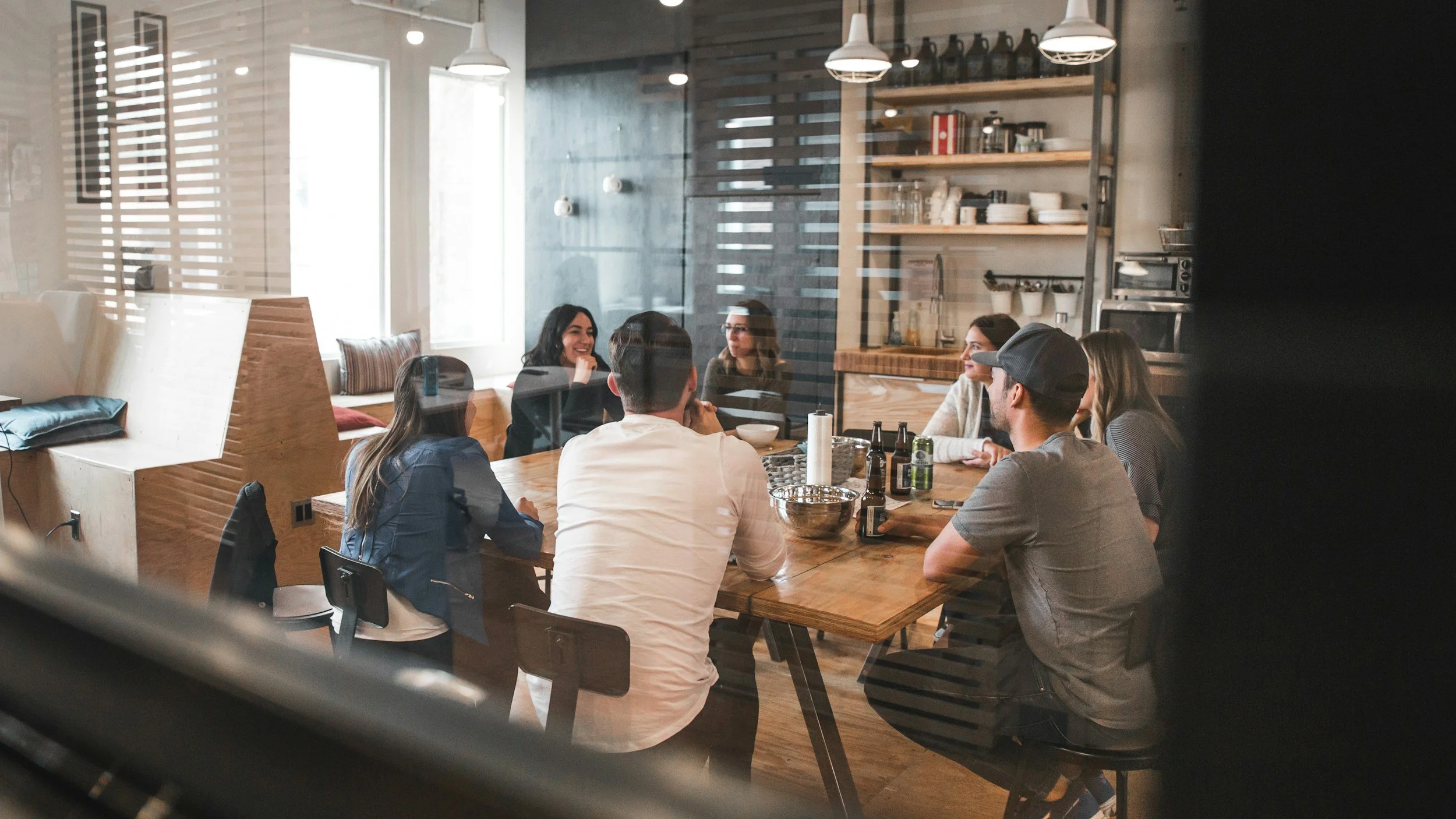
Workspaces and the Energy of Creativity
The conversation around environment doesn’t stop at home.
Many of us have experienced the difference between working in a place that feels energizing versus one that feels stifling.
A window can change everything.
So can natural light.
So can the presence of plants.
So can the simple act of moving to a new environment when you're stuck.
Research consistently shows that changing physical environments can spark new thinking. It’s one reason people often have their best ideas while walking, traveling, or simply working somewhere new.
Sometimes the fastest way to change our thinking is to change our surroundings.
A Different Way to Think About Change
One of the most refreshing insights from this conversation is that improving our lives doesn’t always require massive effort or sweeping transformation.
Sometimes the shift is surprisingly small.
Rearranging a room.
Creating a shared space that invites conversation.
Spending more time in environments that support calm and creativity.
Or simply becoming more aware of how different places make us feel.
When we start noticing the relationship between place and well-being, we gain a new kind of agency. We can begin designing environments—at home, at work, and in our communities—that help us show up as our best selves.
Finding Yourself “In a Good Place”
Ultimately, the idea of being “in a good place” isn’t just metaphorical.
It’s literal.
The spaces around us are constantly shaping the quality of our days, often in ways we never consciously recognize.
And once we start paying attention to those influences, something interesting happens.
We begin to realize that the environments we create for ourselves—and for our families—can quietly support the kind of life we want to live.
Sometimes thriving starts with something as simple as changing the room we’re in.
Listen to the full conversation with Leidy Klotz on the Motherhood Unstressed podcast.
You can also follow along on Instagram at @elizabeth_carlile for upcoming guests, behind-the-scenes moments, and more conversations about parenting, creativity, and intentional living.